Keeping a food diary for diarrhea
When diarrhea keeps happening, it rarely feels random for long — the same meal, the same drink, the same kind of day keeps showing up beforehand. A simple diary is how you catch that repeat. Here's what's actually worth writing down.
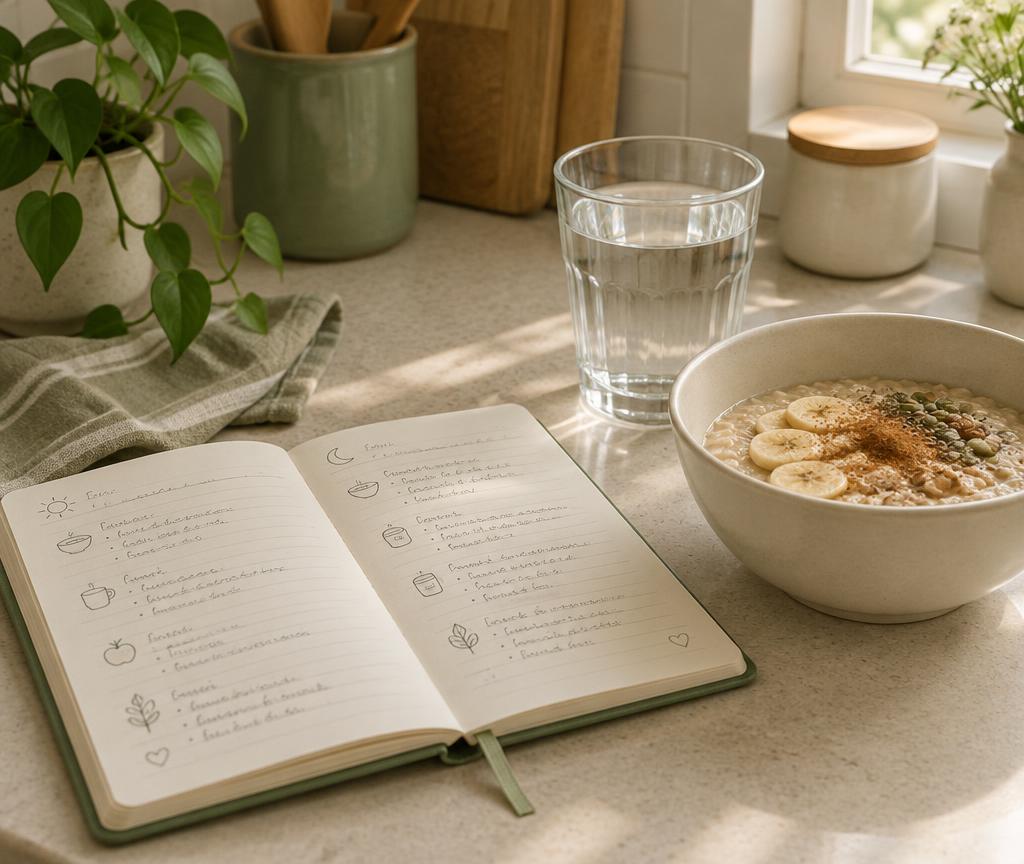
Why timing matters so much
Food-related diarrhea can start within an hour of eating — or take a day or more. That huge window is why most people blame the wrong meal. The fix is simple: note the time you ate and the time symptoms started, every time, and let the pattern come to you.
The details worth writing down
What you ate and drank, and when
Include the easy-to-forget things: sugar-free gum or mints, coffee, alcohol, sauces and dressings. Sugar alcohols in 'sugar-free' products are a classic hidden trigger.
When symptoms started
This one detail does most of the detective work — it ties each episode back to the meal window most likely involved.
How urgent and how often
A quick note on urgency and frequency lets you compare days honestly instead of relying on how memorable a bad day was.
Stress and sleep
A rough night or a stressful week can loosen digestion on its own. Logging both keeps you from blaming food for a stress day.
Anything new
New medications, supplements, travel, or a stomach bug going around — all worth a one-line note.
Patterns worth looking for
After a couple of weeks, scan for repeats: do episodes follow coffee on an empty stomach? Restaurant meals? Sugar-free snacks? One match is a coincidence — three is a lead worth testing or taking to a professional.
How FoodTrigger AI can help
Snap a photo of your plate and the app suggests the ingredients, a 30-second check-in logs symptoms and timing, and your pattern report shows which ingredients kept appearing before difficult days. Your log stays private — only you can see it.
Questions about tracking diarrhea
Can a food diary really help with diarrhea?
It can't tell you the cause on its own, but it can show you repeats — the same food, drink, or situation showing up before episodes. That pattern is useful information for you and for any professional you talk to.
How quickly after eating can food trigger diarrhea?
Anywhere from within an hour to a day or more, depending on the cause. Some reactions are fast; others, like certain intolerances, can take many hours. Noting the time of both the meal and the episode is what makes the connection visible.
What foods are commonly linked to loose stools?
Sugar alcohols (sorbitol, xylitol) in sugar-free products, very fatty or fried food, caffeine, alcohol, spicy food, and — for some people — dairy or high-FODMAP foods. Your own diary matters more than any general list.
What else should I track besides food?
Stress, sleep, alcohol, new medications or supplements, and whether you were travelling. Diarrhea often has more than one contributor, and those details help separate food patterns from everything else.
When should I see a doctor about diarrhea?
Please see a healthcare professional if diarrhea lasts more than a few days, keeps coming back, or comes with blood in your stool, fever, severe pain, dehydration, or unexplained weight loss. A diary is a helpful companion to that conversation, not a substitute for it.
FoodTrigger AI is a tracking and pattern-identification tool. It does not diagnose, treat, cure, or prevent any medical condition and is not a substitute for professional medical advice, diagnosis, or treatment. Diarrhea that is persistent, severe, or comes with blood, fever, or weight loss deserves a healthcare professional.